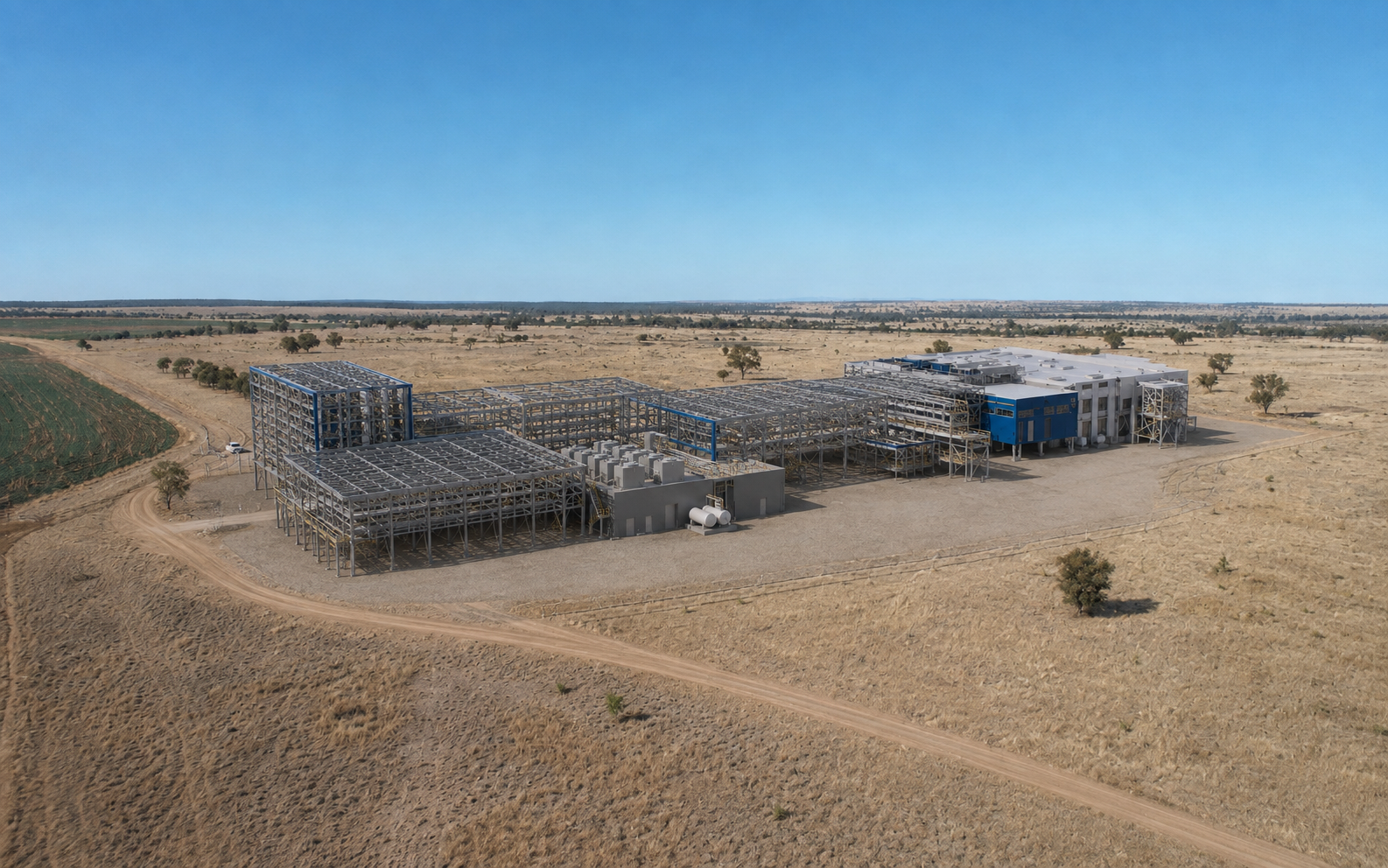
The Iona Project has been designed around the principle that resources should be valued, not wasted. By integrating agriculture, processing, renewable energy and resource recovery, the project creates opportunities to improve efficiency, reduce waste and retain more value within the system. Each component has been designed to support the next, creating a more connected and resilient approach to sustainable food production.
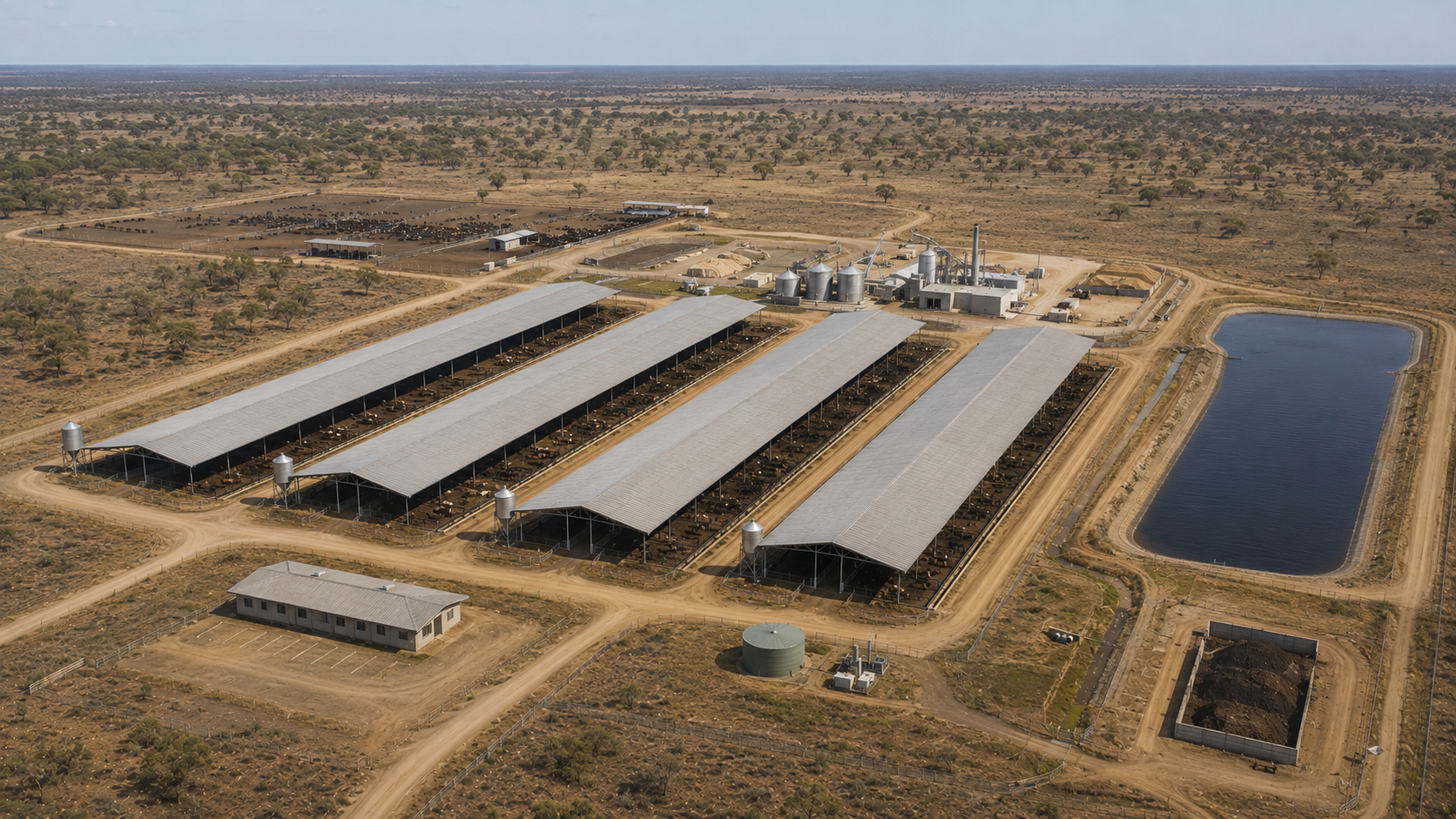
Traditional agricultural and processing systems often operate separately, with resources moving in one direction and waste generated along the way. The Iona Project has been designed differently. By connecting production, processing, renewable energy and resource recovery, materials can be recovered, reused and transformed into productive resources.
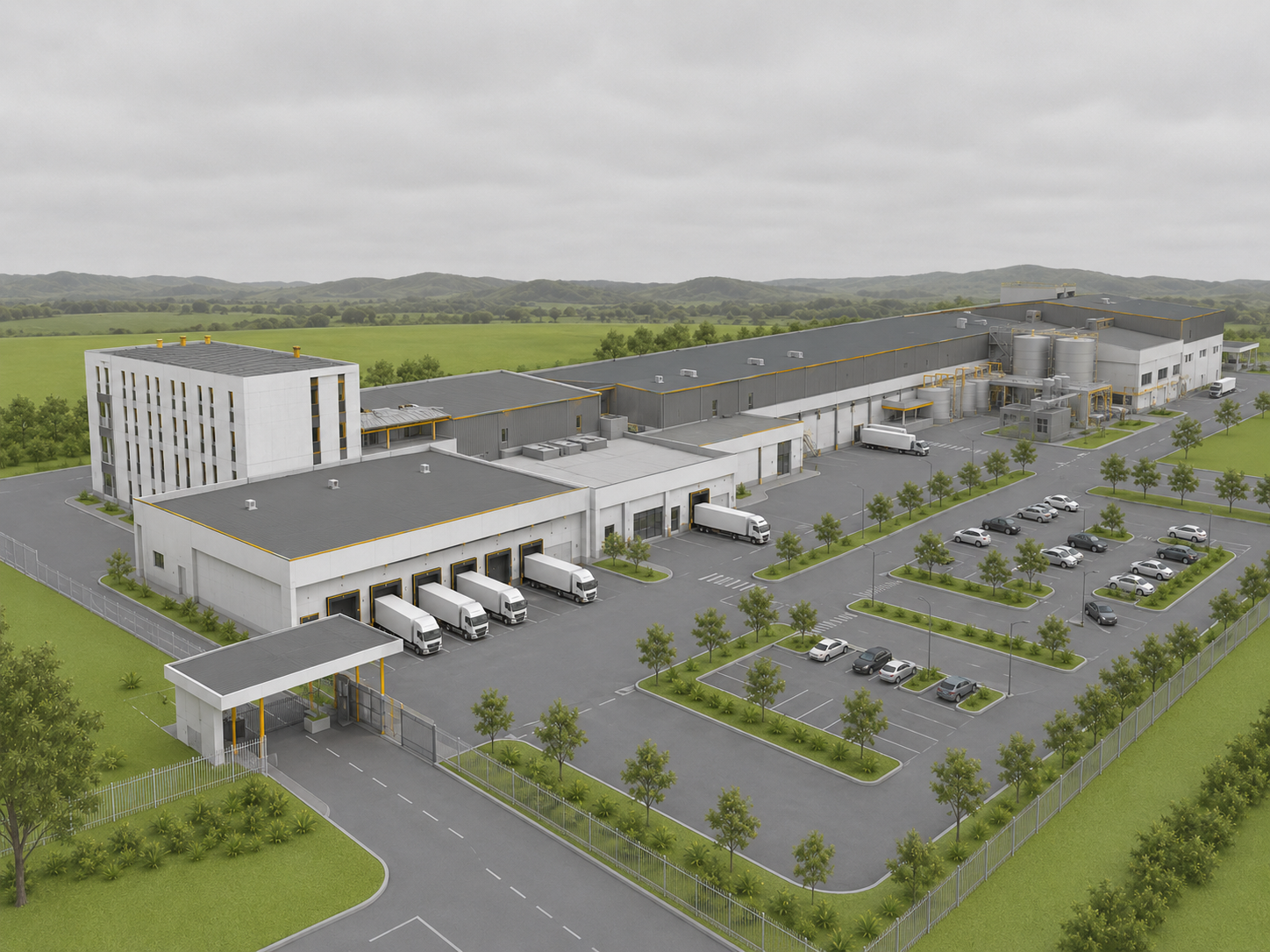
Circularity is central to the Iona Project’s sustainability approach. By integrating livestock production, processing and resource recovery, the project is designed to maximise resource utilisation, reduce waste and retain value within the system.
Organic materials including crop residues, manure, effluent, blood, bone meal, tallow and hides can be recovered and transformed into valuable resources such as energy, nutrients and reusable water.
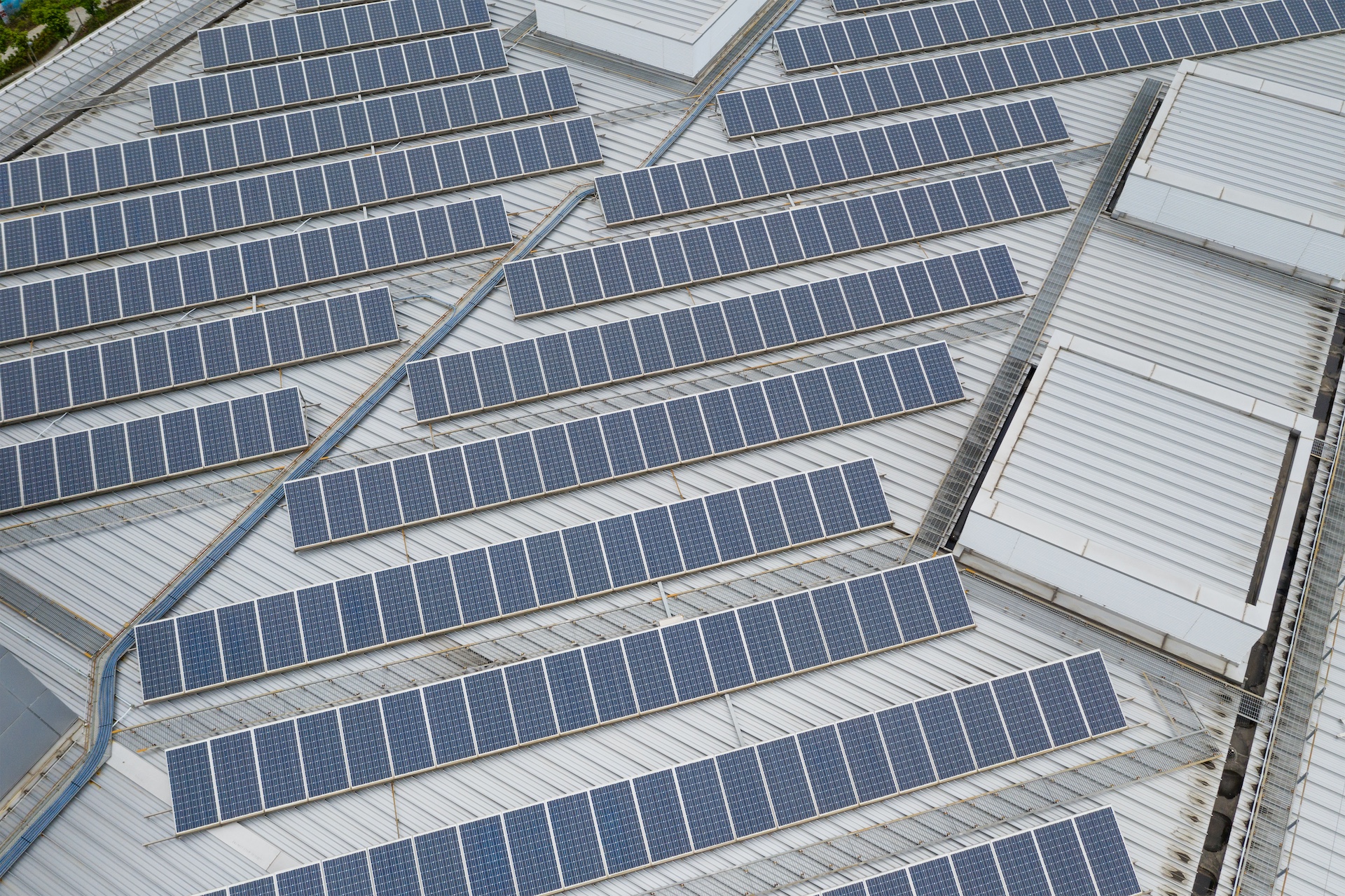
The Iona Project’s energy strategy combines renewable technologies to improve resilience, reduce reliance on external inputs and maximise the value of resources generated within the system.
By recovering energy from on-site processes and balancing generation across multiple technologies, the project aims to strengthen operational resilience, improve resource efficiency and support a lower-carbon production system.
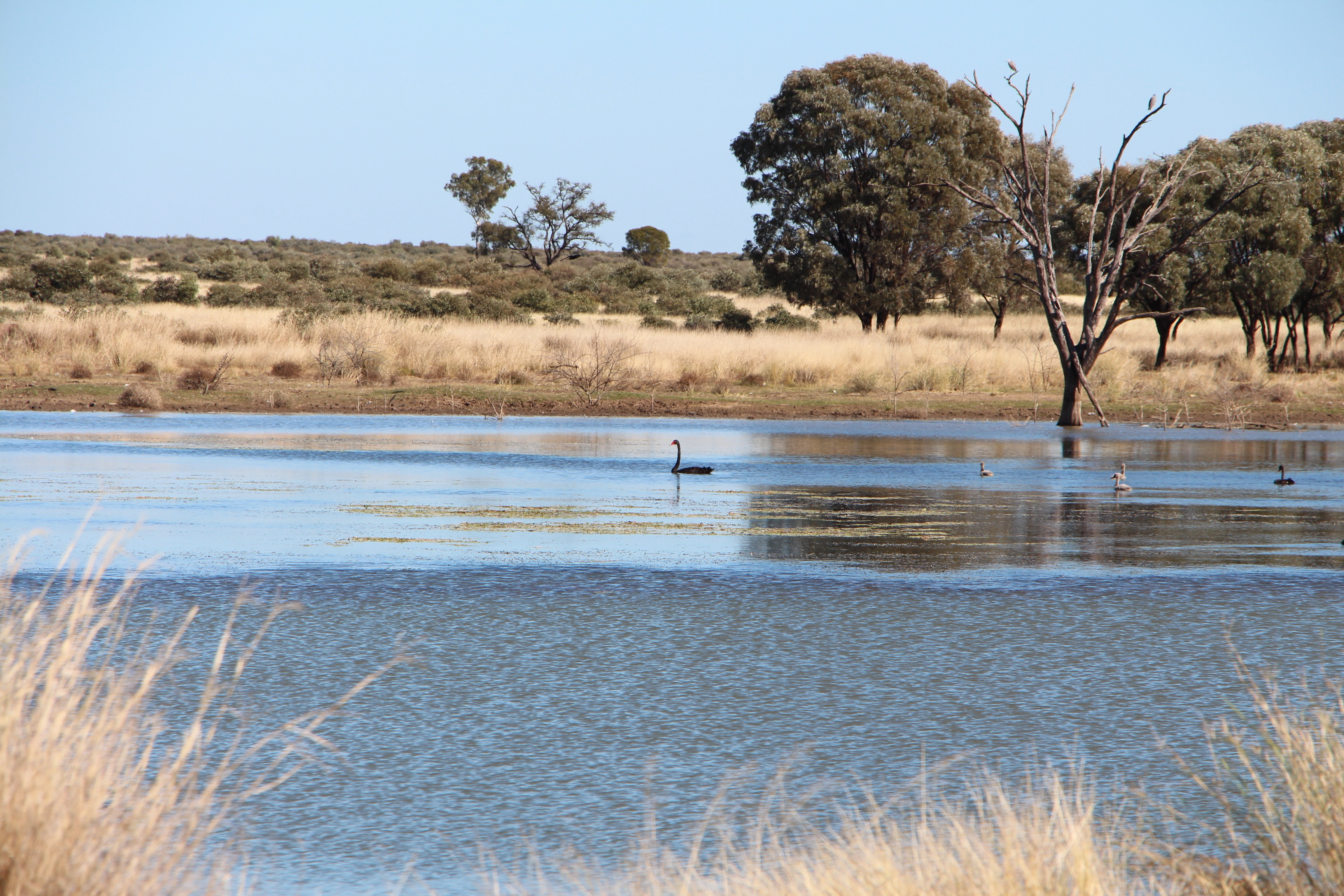
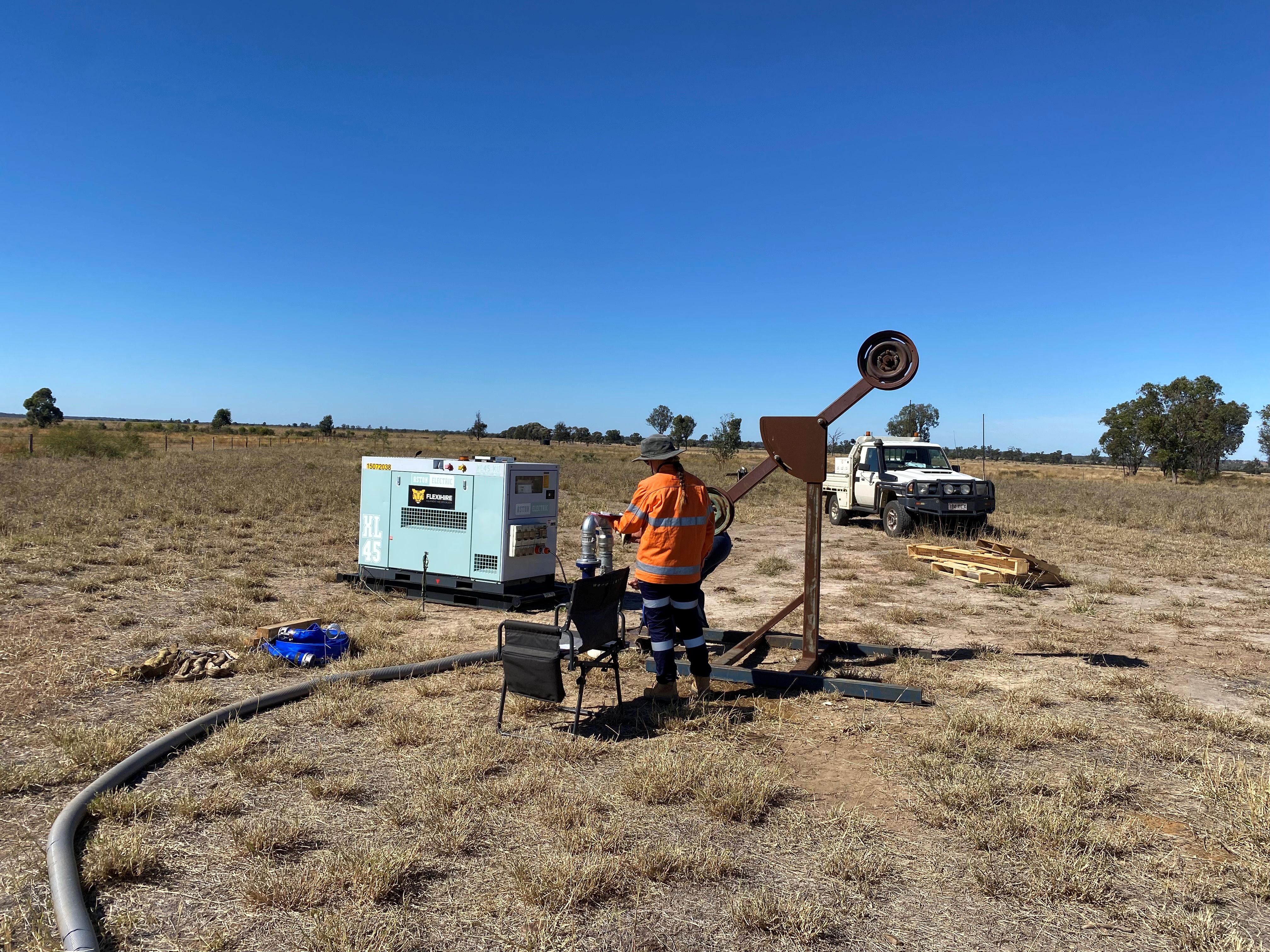
Water is fundamental to agriculture, food production and healthy ecosystems. The Iona Project is committed to responsible water management through improved efficiency, reuse and resource recovery.
The project’s approach focuses on sustainable water balance, water quality protection and innovative treatment systems to support long-term environmental outcomes.
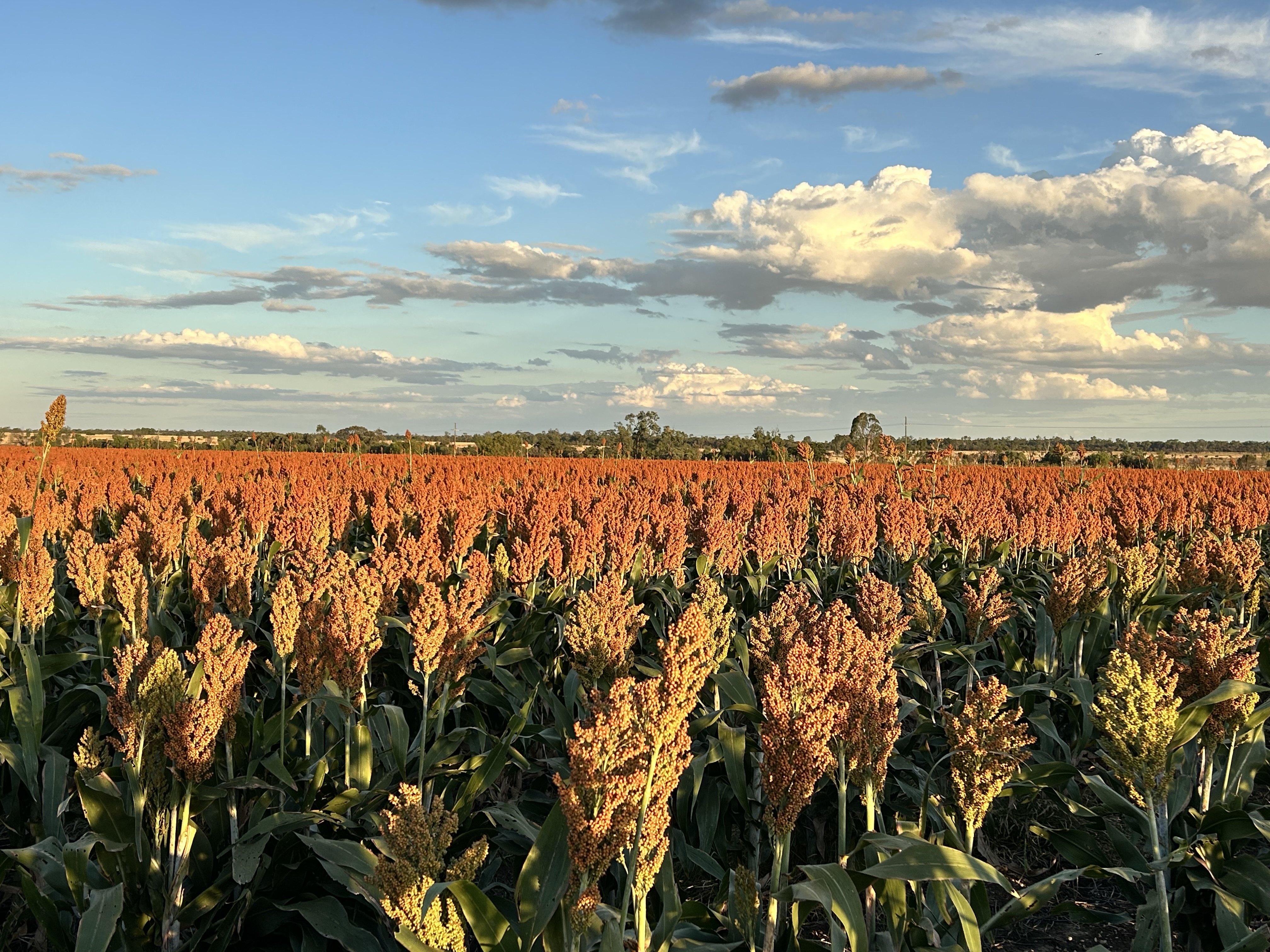
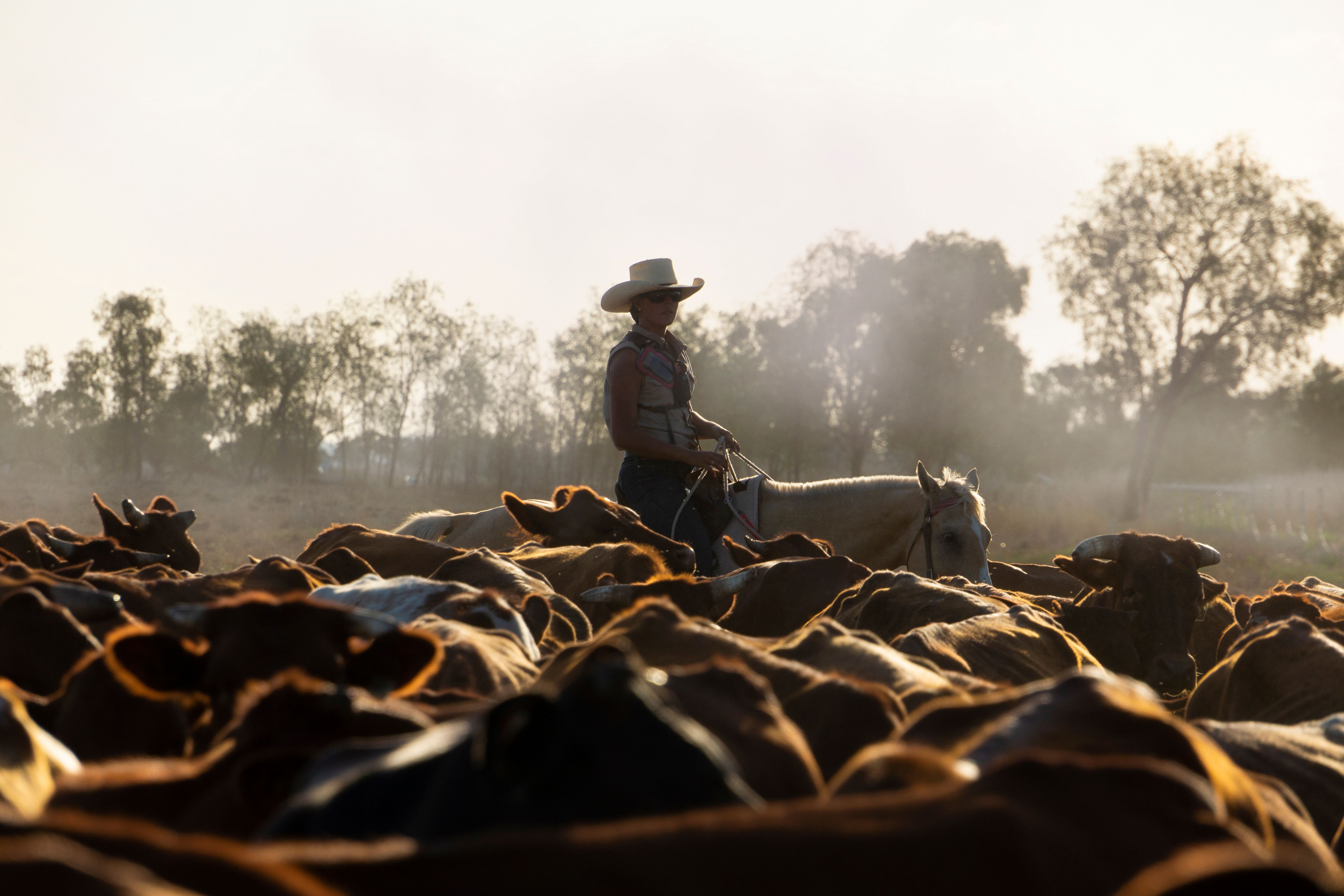
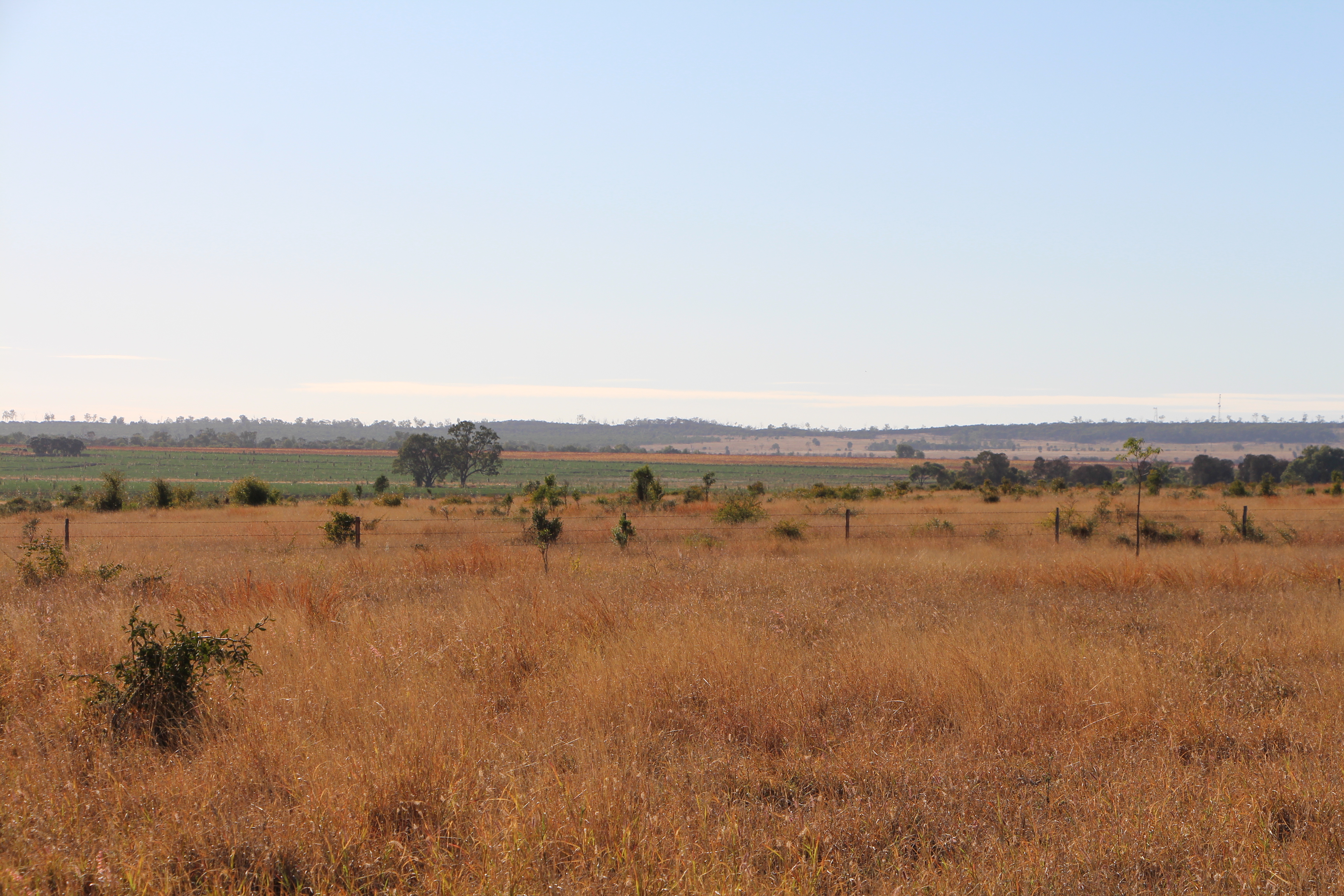
The agricultural operations supporting the Iona Project have been guided by regenerative principles focused on improving soil health, supporting biodiversity and creating resilient landscapes.
Practices including reduced tillage, improved soil biology, nutrient recycling, rotational grazing and maintaining ground cover help improve resource efficiency and long-term land health.
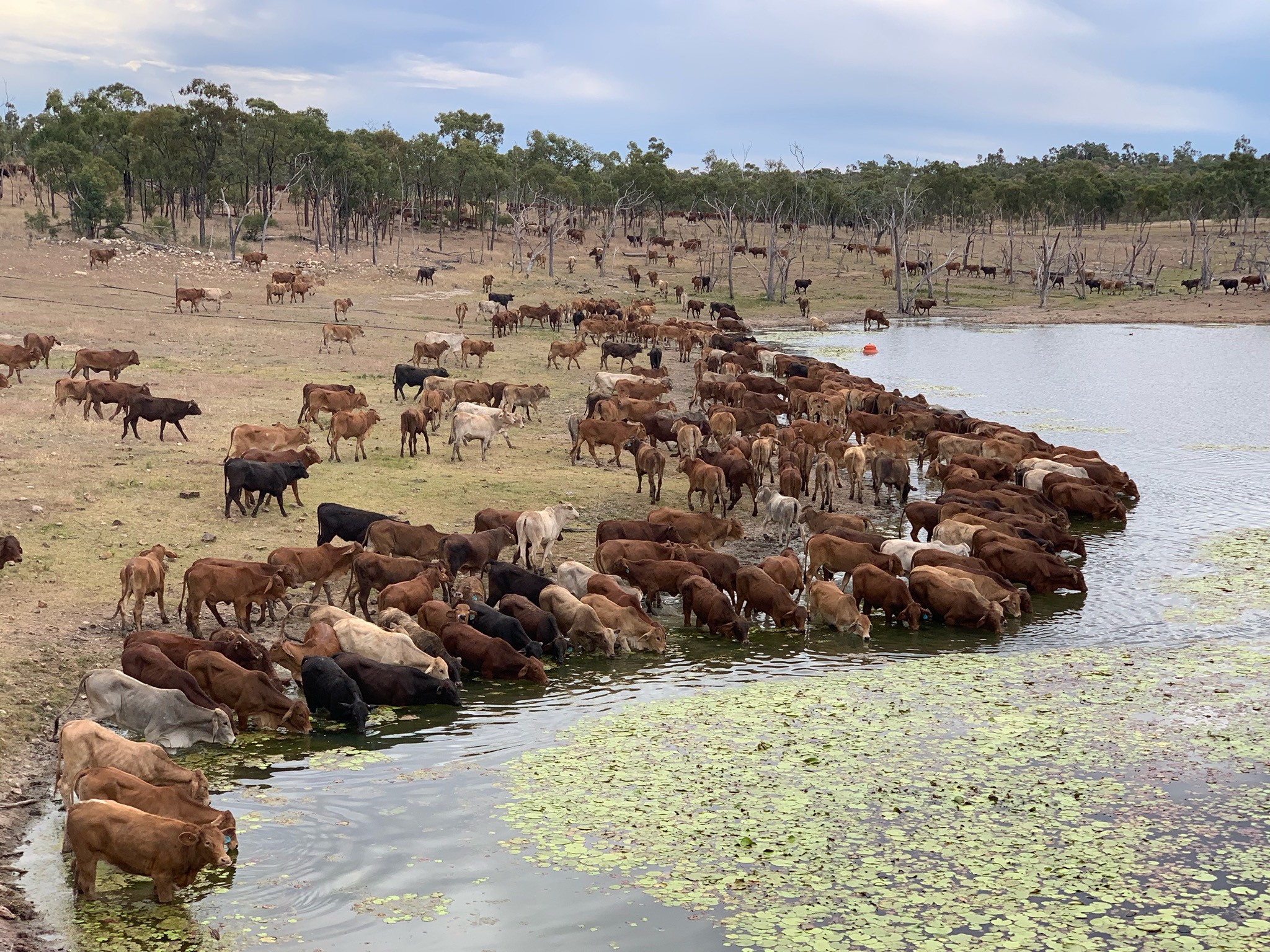
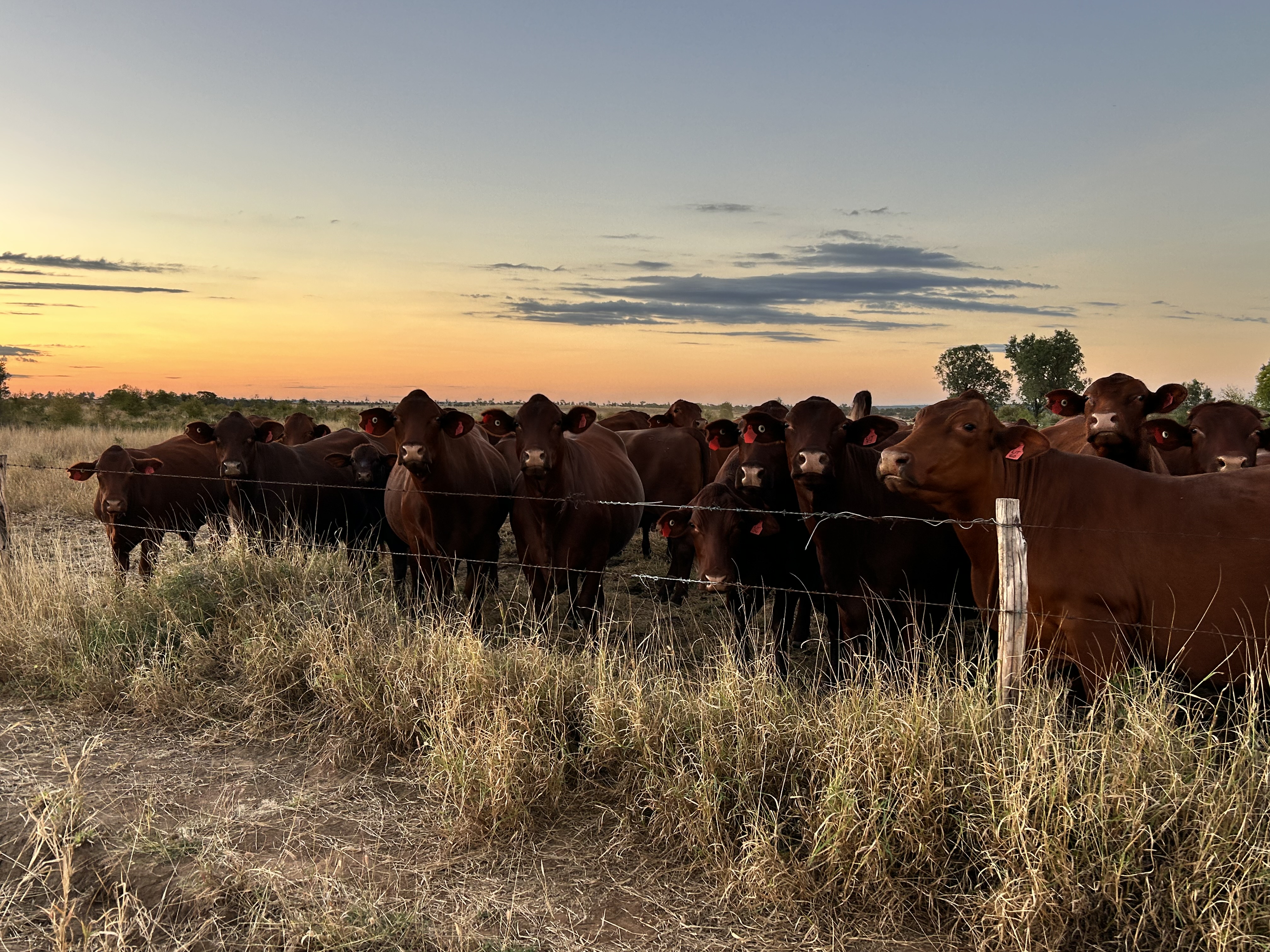
Animal welfare is a fundamental consideration throughout the design and operation of the Iona Project. The integrated nature of the project provides opportunities to reduce livestock transport distances, minimise handling stress and support improved animal health outcomes through considered production and processing systems.
Responsible animal management practices, quality control and a focus on wellbeing are central to ensuring livestock are managed with care throughout the production cycle.
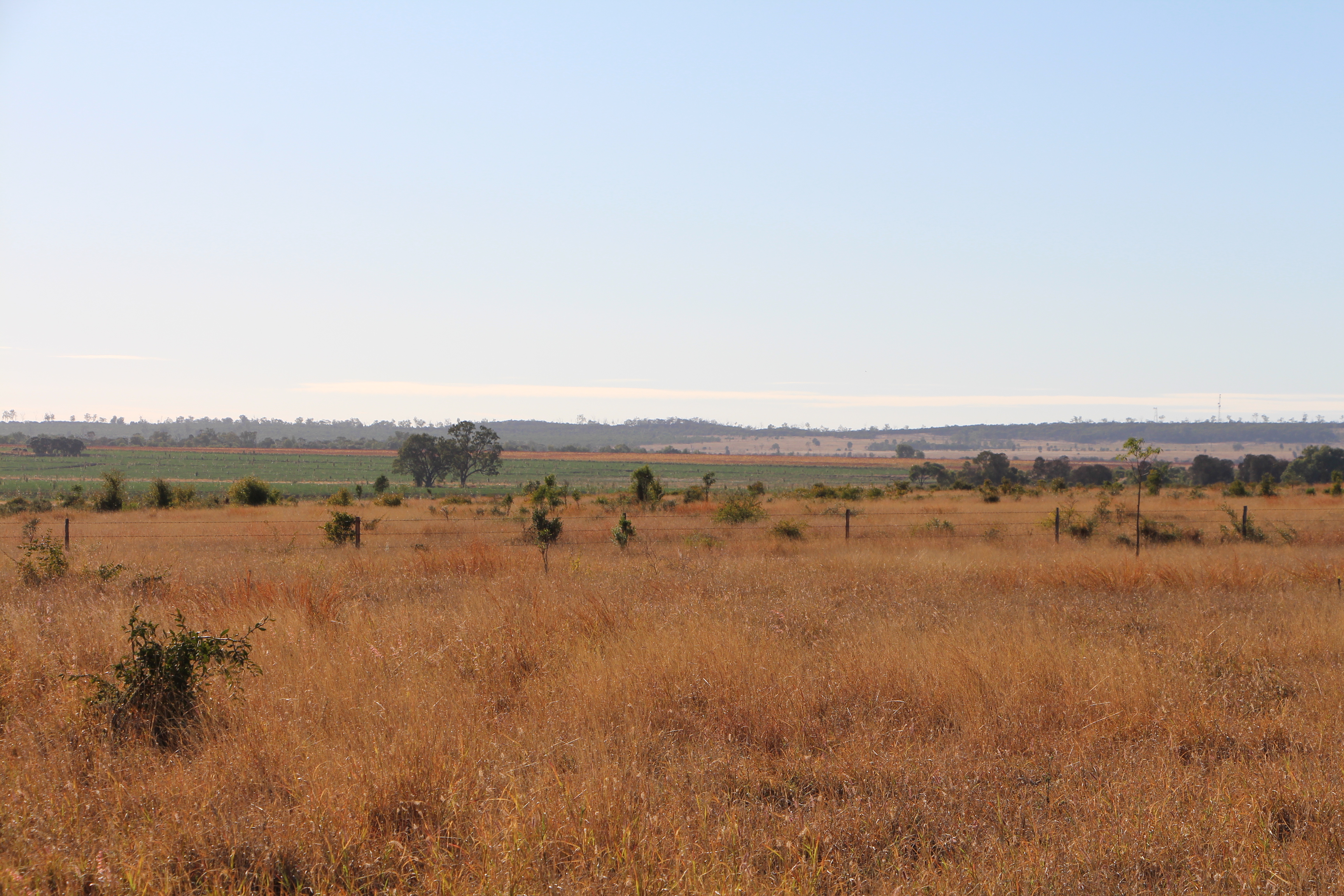
The Iona Project seeks to support biodiversity and strengthen natural systems through considered planning, land management and operational practices.
By recognising the connection between soil, water, vegetation, animals and people, the project aims to maintain balance, resilience and long-term ecological health.
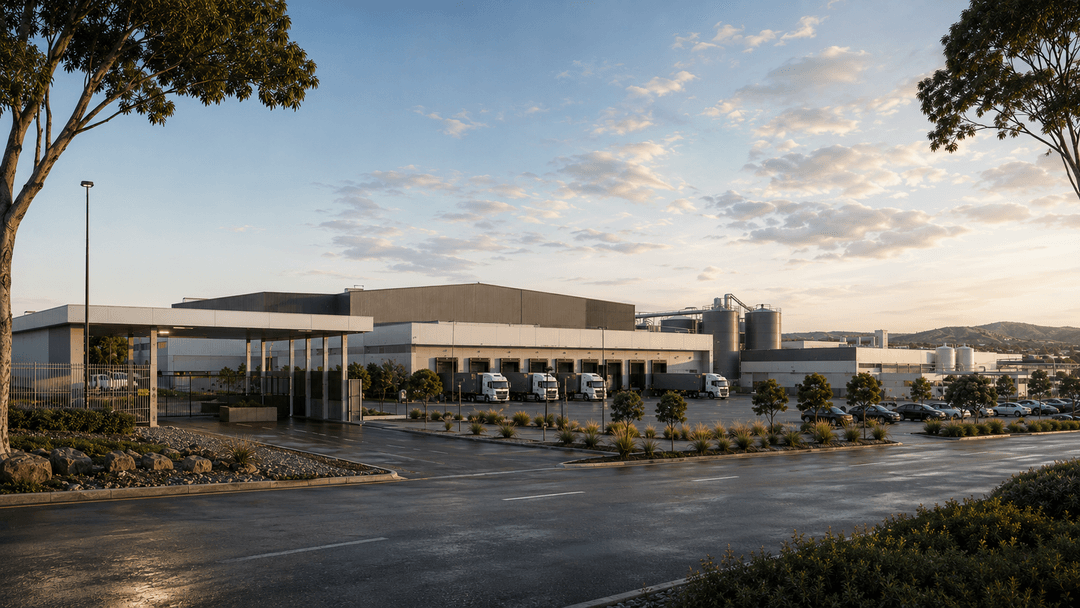
The strength of the Iona Project lies in how each component works together. Unlike traditional models where resources often move in one direction, the project has been designed as an integrated system where agriculture, processing, energy generation and resource recovery support one another.
By connecting these systems, resources that would otherwise become waste can be recovered and reused, creating efficiencies across the operation and supporting a more resilient approach to sustainable food production.
.png)