148 East recognises that projects of this scale have the potential to create both opportunities and impacts. Through careful planning, technical assessment, stakeholder engagement and ongoing monitoring, we aim to identify potential impacts early, minimise risks and deliver outcomes that are sustainable for the environment, communities and future generations.
The responsible management of impacts is fundamental to the development of the Iona Project. 148 East is committed to understanding and managing potential impacts through evidence-based decision-making, collaboration with technical experts and ongoing engagement with stakeholders, including landholders, Traditional Owners, government, industry and the wider community. Potential impacts and opportunities are considered throughout all stages of the project lifecycle, from planning and approvals through to construction and operations.
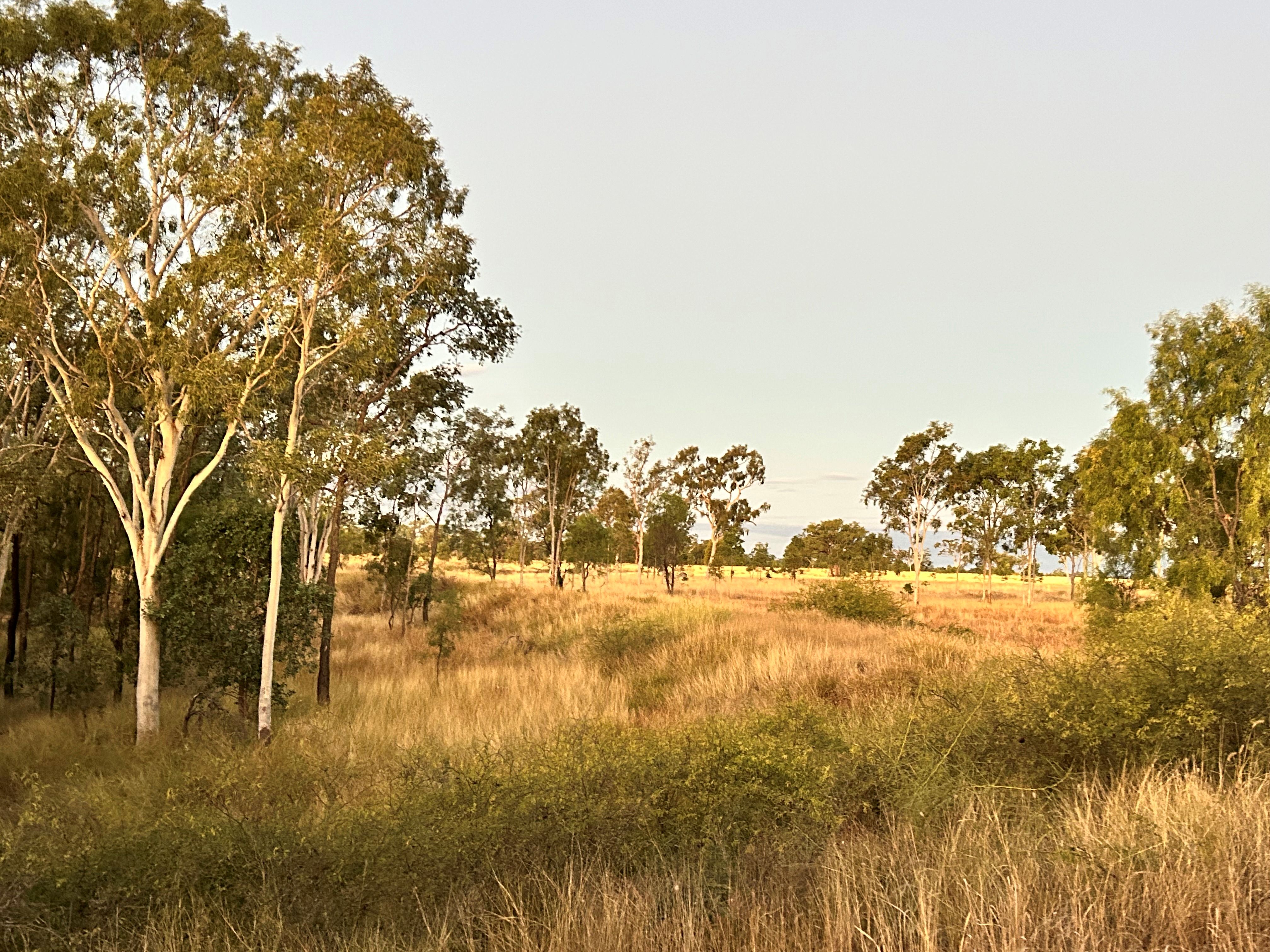
The Iona Project is being developed with careful consideration of the surrounding environmental values, including land, water, biodiversity and natural resources.
Environmental assessments and technical studies will inform project design, decision-making and management approaches throughout planning, construction and operations. These assessments help identify potential risks, understand opportunities and develop measures to avoid, minimise or manage impacts wherever practical.
148 East is committed to responsible land and resource management, supported by ongoing monitoring, compliance with regulatory requirements and continuous improvement throughout the life of the project.
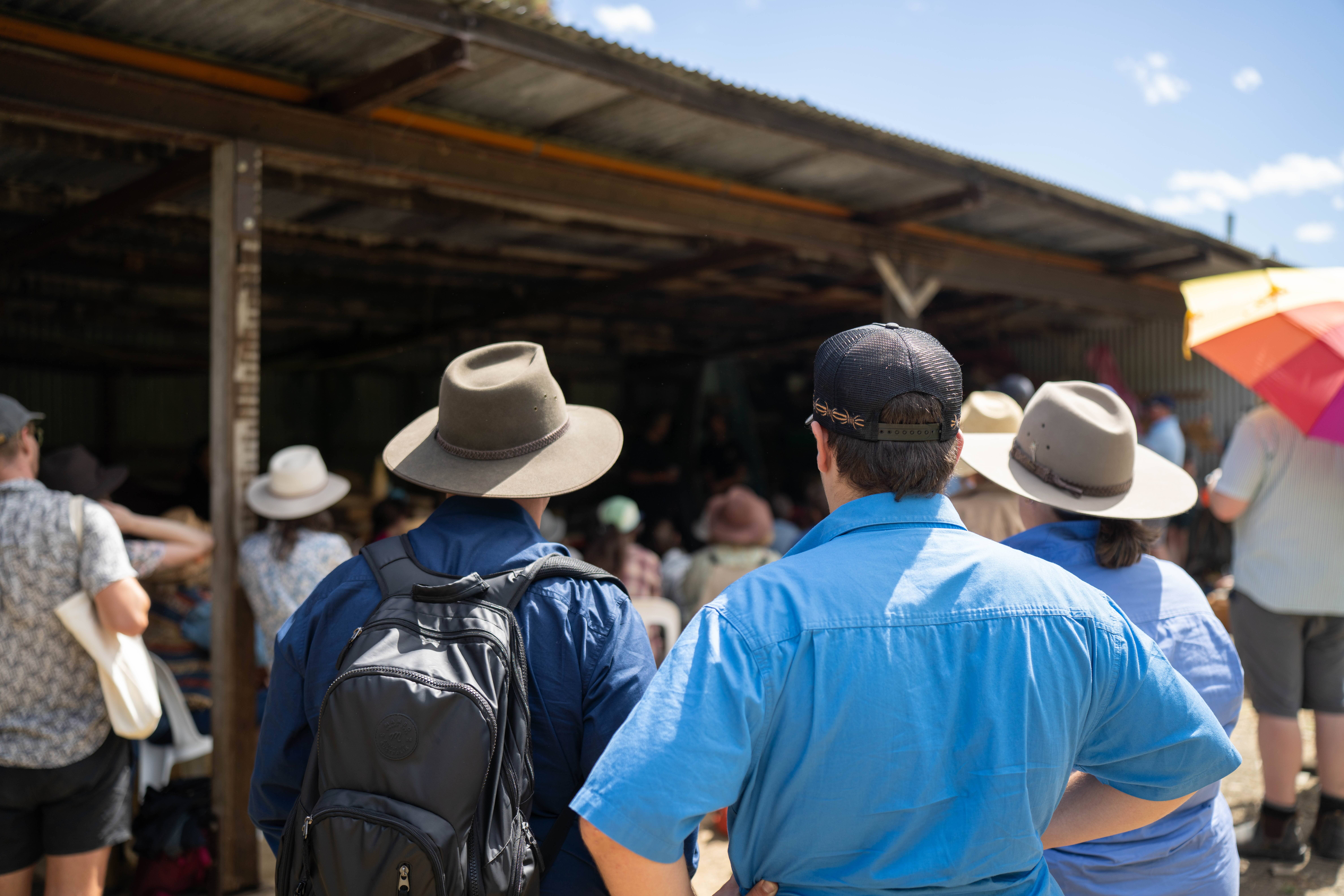
The Iona Project has the potential to create both opportunities and challenges for surrounding communities, businesses and regional services.
This includes considering matters such as workforce requirements, local employment, housing and services, community wellbeing, regional capacity and opportunities for local participation. Feedback from stakeholders will continue to inform project planning and decision-making as the project progresses.
148 East is committed to understanding and managing social impacts through genuine engagement, transparent communication and collaboration with stakeholders throughout planning, construction and operations.
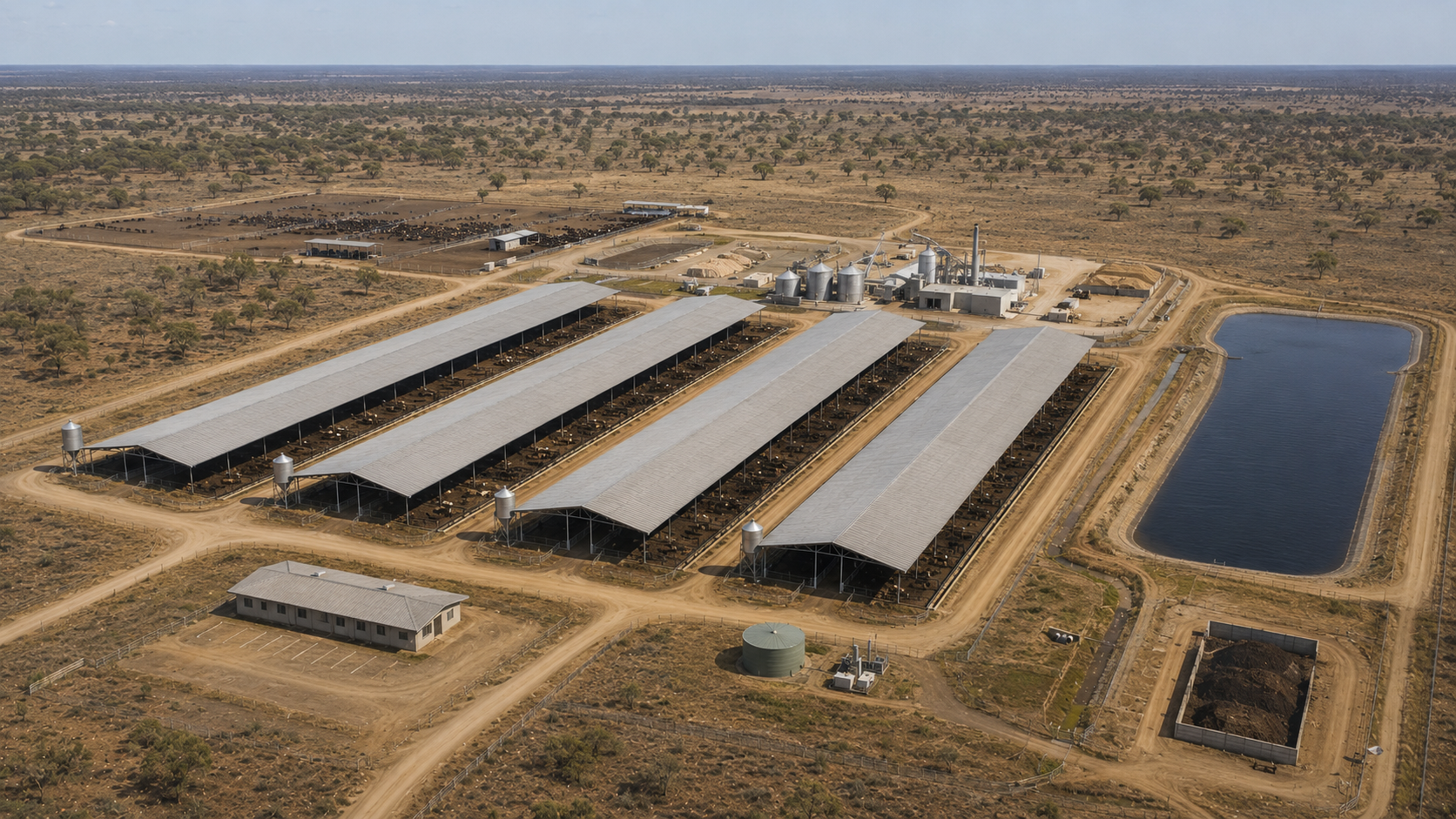
The development and operation of the Iona Project will involve movement of people, livestock, materials, products and services. 148 East recognises the importance of managing potential impacts associated with transport and infrastructure requirements, including safety, road use and interactions with surrounding communities.
Transport requirements will be assessed and managed through appropriate planning, consultation and operational controls to support safe and efficient movement while minimising disruption wherever practical.
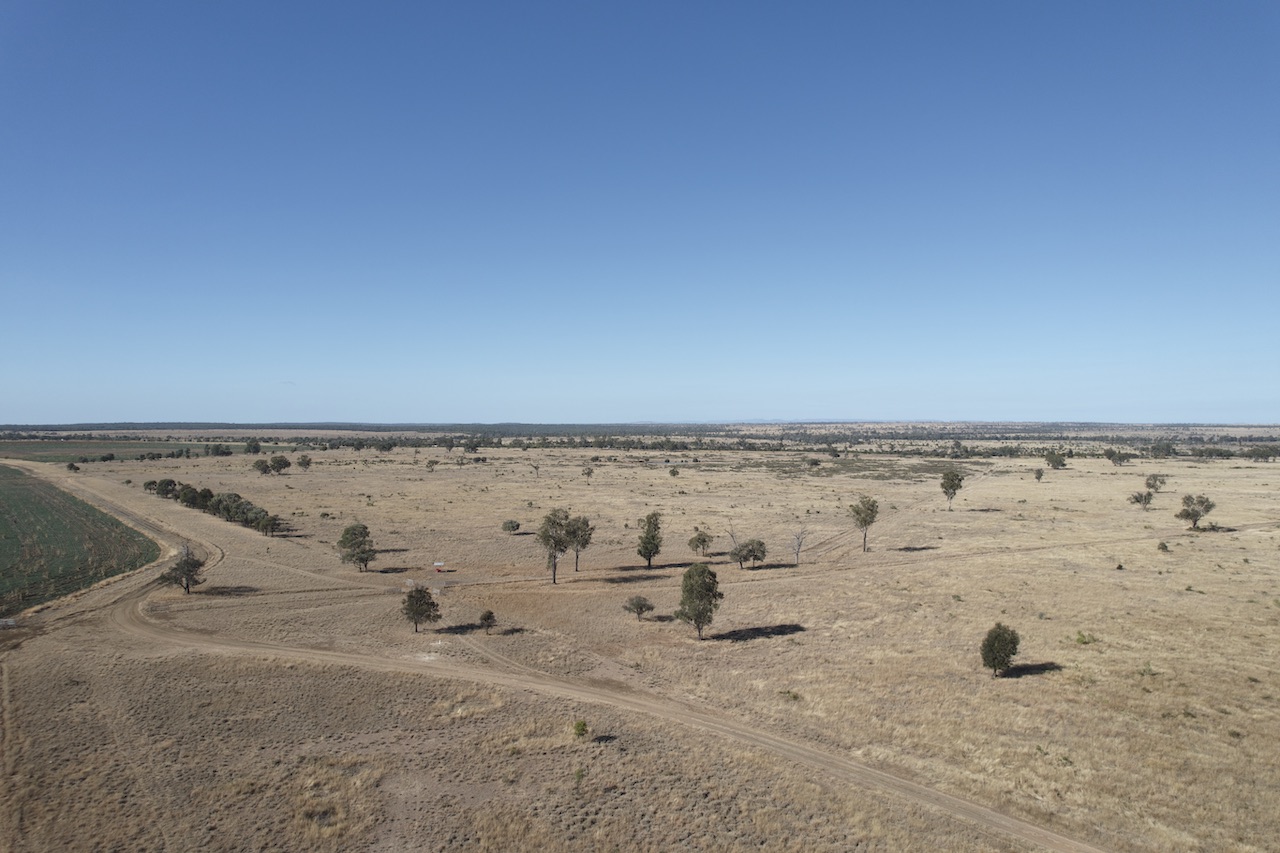
148 East recognises the importance of being a responsible neighbour and maintaining positive relationships with surrounding landholders and communities.
Potential impacts associated with project activities, including noise, visual amenity, lighting and operational activities, will be considered through project planning, technical assessment and appropriate management measures.
Ongoing communication with neighbouring properties and stakeholders will help identify concerns, respond to feedback and support effective management throughout the life of the project.
Managing impacts is an ongoing responsibility. As the Iona Project progresses, 148 East will continue to monitor performance, engage with stakeholders and adapt management approaches to respond to new information, emerging challenges and opportunities for improvement. Through this approach, 148 East aims to deliver a project that responsibly manages impacts while creating lasting benefits for the beef industry, regional Queensland and future generations.
Community feedback is an important part of understanding local perspectives and ensuring potential impacts and opportunities are appropriately considered. If you have questions, feedback or would like further information about the Iona Project, please contact the 148 East team.